China Can Learn From Post-War America's Work-Relief Programs

In an effort to counteract the severe economic downturn brought about by the Great Depression, U.S. President Franklin D. Roosevelt implemented large-scale work relief programs—offering government-sponsored employment opportunities for those without jobs—to boost consumer spending and rebuild public faith. Almost a hundred years since the inception of America’s New Deal, China is discreetly incorporating a comparable idea as part of its initiative towards consumption-driven expansion.
In late March, Beijing introduced an ambitious "special action plan" to bolster domestic spending The paper focuses on an essential factor for economic recovery: boosting household incomes to stimulate demand. It specifically mentions work-relief programs. These initiatives have significant potential to strengthen consumer confidence and warrant further examination.
The work-for-relief approach has been utilized in rural areas of China for many years, although it seldom garners media attention. Traditionally, following natural calamities, authorities would engage local farmers to restore infrastructure such as roads or build essential utilities like water supply systems. This method provided prompt assistance to families while also yielding enduring community advantages. After Mao’s era, Beijing embraced these work-relief programs as a crucial tactic in their fight against poverty.
Are you looking for insights into the most significant issues and developments globally? Find your answers here. SCMP Knowledge Our latest platform offers carefully selected content including explainers, FAQs, analyses, and infographics, all provided by our prestigious team.
According to official statistics, from 1984 to 2020, more than 160 billion yuan (approximately US$22.05 billion) was allocated to rural relief initiatives, which created numerous job openings. These efforts played a crucial role in enhancing economic conditions. eliminating extreme poverty , a landmark achieved in 2021.
However, China's current challenges go beyond its rural areas. Historically, work relief programs have focused on supporting rural employment, yet now they must also address issues in China's urban centers. 300 million migrant workers - individuals who have abandoned their rural homes in pursuit of better employment opportunities - deserve consideration.
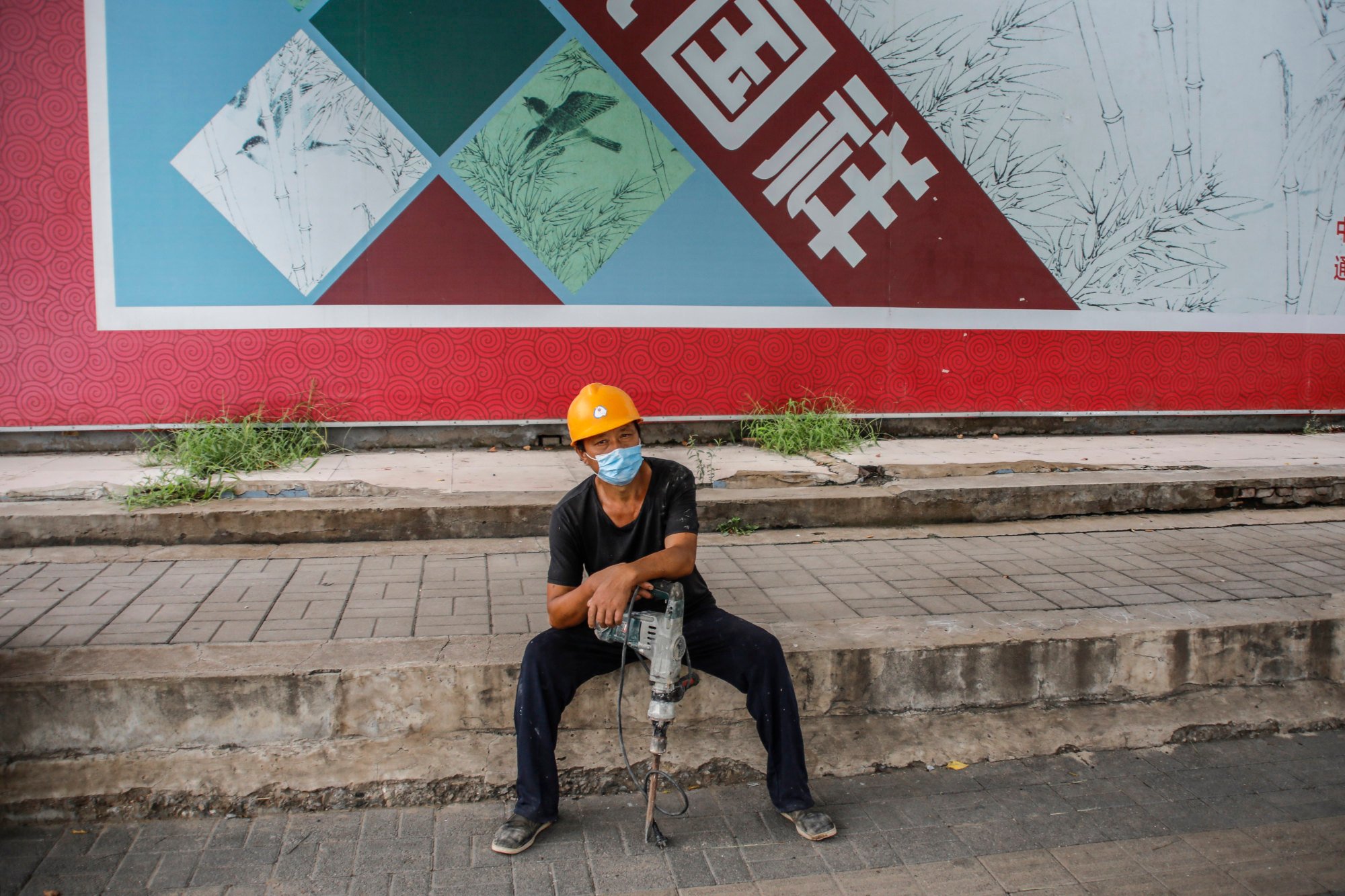
Over the past twenty years, the development of real estate and infrastructure drove China’s economic expansion, offering consistent jobs to migrants. However, since 2020, a decline in the property market along with a reduction in new building projects has resulted in millions losing their dependable source of income.
Assessing the complete impact of their struggle is challenging. Many migrant workers often participate in casual employment. often fall outside Official unemployment figures do not account for those who lose their city jobs and go back to rural areas.
During an address in 2020, President Xi Jinping stated: “When economic fluctuations occur, migrant workers are often the ones who suffer initially.” He referred to the 2008 financial crisis, during which more than 20 million people lost their jobs and returned home, as well as the pandemic situation where approximately 30 million were stranded in rural regions without employment opportunities.
Furthermore, even though China’s social safety net has seen some enhancements recently, many migrant workers still do not have access to essential services like healthcare, unemployment insurance, and pension benefits that are available to city residents. This leaves these migrants highly vulnerable during times of job scarcity. The disappearance of their earnings disrupts more than just their personal lives; as their salaries dwindle, so too does their capacity for spending, silently strangling consumer demand. economy desperately needs.
The action plan's mention of work-relief programmes is the latest signal that policymakers are acknowledging this harsh reality. In recent years, the policy has gained more traction. In 2021, China invested 90 billion yuan in work-relief projects, employing 1.5 million returning migrant workers. In 2024, these jobs more than doubled to 3.32 million.
However, these efforts remain inadequate: China’s floating workforce numbers approximately 300 million people, yet employment generated via public works programs only accounted for about one percent of this total. Furthermore, such relief positions tend to be transient and centered around construction activities, thus not providing the sustained stability required by migrant laborers amid challenging economic conditions.
To enhance these programs, China might look towards current global models for inspiration. For instance, in 2015, India implemented the Mahatma Gandhi National Rural Employment Guarantee Act (MGNREGA). This legislation ensures that rural families receive at least 100 days of wage employment each year through initiatives like constructing water management systems.
Since then, this program has supported approximately 50 million jobs annually. Rooted in legal frameworks, the legislation aims at tackling rural poverty—with more than half of its beneficiaries being female—and ensures that project initiatives match local requirements, like developing water infrastructure in dry regions.
Certainly, the program encounters difficulties, such as issues with fund management. Nevertheless, its size and enduring nature provide significant insights. China’s present work-for-relief initiatives tend to be short-lived and lack a comprehensive long-term strategy, limiting their impact. India’s focus on legislative support and tailored implementation might encourage China to improve its methods.
Short-duration initiatives tend to lose traction rapidly. A labor protection statute might establish work-for-relief programs as an ongoing measure, setting mandatory targets for job generation and financial support annually. Additionally, technological solutions such as mobile payments and digital identification systems could improve accountability and effectiveness, guaranteeing aid reaches those who truly need it.
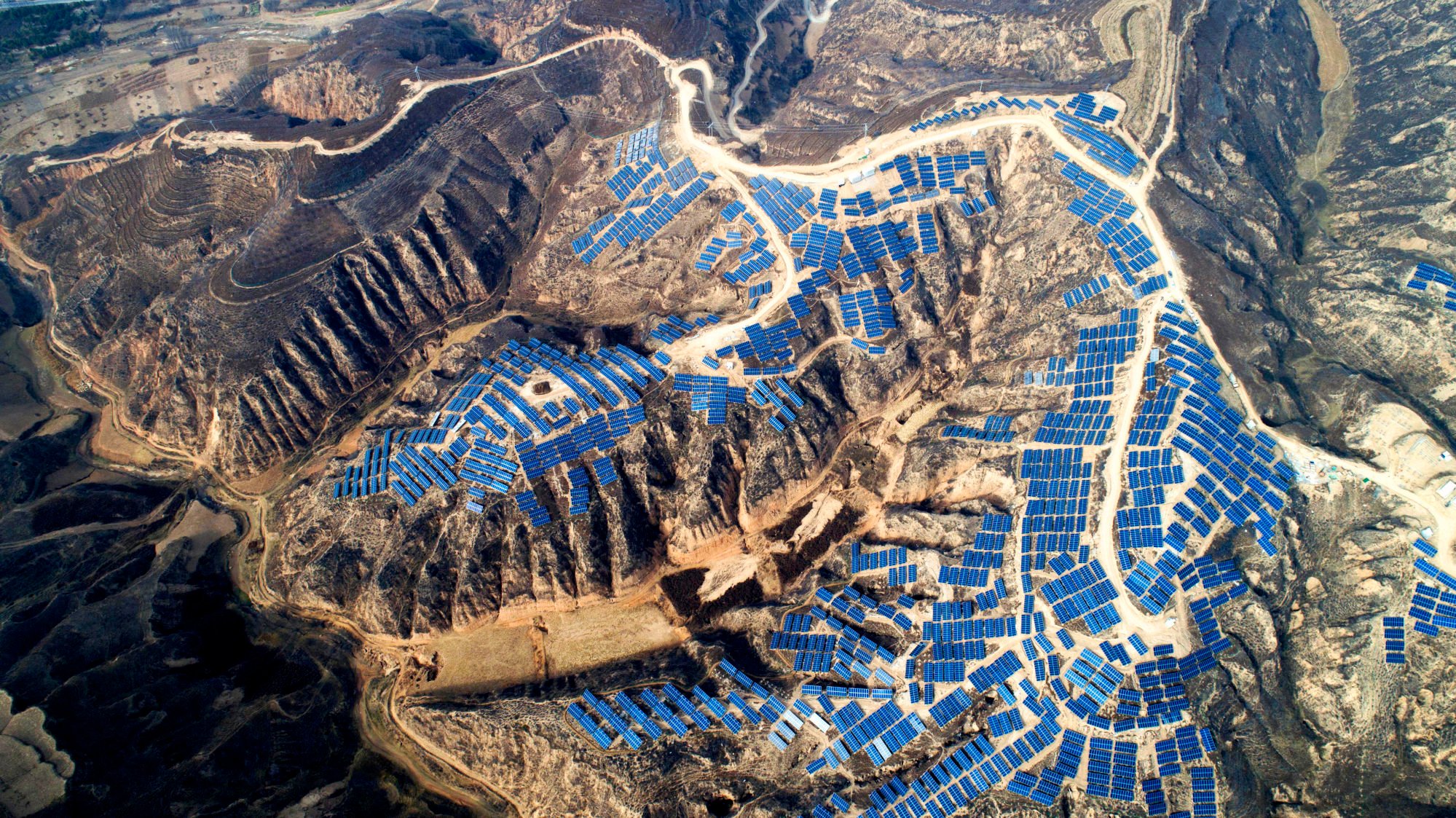
Addressing unemployment among migrants requires broadening work-for-relief programs. The housing market downturn has deprived many migrant laborers of employment; thus, implementing national schemes such as constructing renewable energy facilities—such as wind farms and solar panels—or enhancing rural areas through initiatives like developing tourist infrastructures might create millions of new positions each year. Priority access to these roles should be given to less skilled migrant workers.
Successful execution relies heavily on prompt and resolute measures. The New Deal under Roosevelt was effective due to rapid and well-coordinated efforts: the Federal Emergency Relief Administration, created in 1933, disbursed $3.1 billion via relief programs within the following two-and-a-half-year period—nearly equaling almost half of the federal spending in 1934.
China requires a comparable determination to surmount administrative obstacles and speed up financing. The nation finds itself at a pivotal moment in its economic development. The decline in the real estate sector has underscored the vulnerability of migrants’ living conditions; however, this situation also presents an opening. The mention of work-for-relief in the action plan underscores a longstanding strategy with significant unexplored potential for addressing current issues.
Roosevelt turned job opportunities into symbols of optimism and financial safety; similarly, India used MGNREGA to ensure the stability of its rural areas. By boldly expanding its public works programs, China could develop a stronger employment framework and move closer towards achieving an economy fueled primarily by consumer spending as envisioned.
More Articles from SCMP
Eco-Friendly Innovations Set to Lead the Lighting Industry
The emerging 'Transactional Reality': Europe gears up to confront China on its own ground.
"Jimmie Lai Lane": U.S. urged to name D.C. street after imprisoned businessman for HK trade office location
The article initially appeared on the South China Morning Post (www.scmp.com), which serves as the premier source for news coverage of China and Asia.
Copyright © 2025. South China Morning Post Publishers Ltd. All rights reserved.