Hong Kong Aims to Rival Every Asian City, Including Singapore, in Boosting Tourism: Minister

A Hong Kong minister stated that the region views "every city in Asia" as competition in terms of developing tourism. The official also mentioned that unlike some neighboring cities like Singapore, which aggressively promote themselves for major events, the local administration favors a more low-key strategy in this area.
Secretary for Culture, Sports and Tourism Rosanna Law Shuk-pui shared with the Post during an exclusive interview earlier this week that the authorities are actively involved in luring major events.
Although recognizing that Singapore’s government may adopt a more prominent strategy in attracting large-scale performances, she mentioned that Hong Kong authorities like her were equally involved in their own “promotion” efforts. This included directly interacting with key concert organizers and sports event promoters through personal meetings to seek out potential collaborations.
Are you looking for insights into the most significant issues and developments globally? Find your answers here. SCMP Knowledge Our latest platform features handpicked content including explainers, FAQs, analyses, and infographics, all provided by our acclaimed team.
She stated on Wednesday, 'It’s simply that occasionally in Hong Kong, we contribute quietly.'
Singapore signed a special agreement with U.S. artist Taylor Swift for her to perform six shows in the city-state last year, and it will also welcome additional concerts from another renowned American performer, Lady Gaga, in November.
Law stated that every Asian city was competing for notice, particularly from international travelers arriving via long-distance flights.
She pinpointed prominent metropolitan areas like Singapore, Shanghai, Guangzhou, Beijing, Seoul, and Tokyo, along with sought-after vacation spots in Thailand, Malaysia, and Indonesia, as significant rivals.
Law pointed out that Hong Kong's distinctive strategic edge lay in its proximity, being within a five-hour flight distance from half of the global population.
Law emphasized that the crucial aspect was successfully narrating the "new, positive tale of Hong Kong," along with showcasing the city’s developing offerings and activities to an international audience.

The minister additionally mentioned her preference for an approach that emphasizes quality and sustainability rather than just focusing on quantity in the city’s tourism growth.
"I strongly advise being careful not to focus solely on increasing volume—I've grown more committed to ensuring quality so that our guests enjoy their visit to Hong Kong," she stated.
They have such affection for Hong Kong that they'll return, without us aiming for a large volume of people.
In 2018, she highlighted the city's experience when Hong Kong welcomed a record-breaking 65 million tourists that year.
"She mentioned that it led to some unpleasant events," but didn’t provide more details.
In the early to mid-2010s, Hong Kong experienced an increase in anti-parallel trading demonstrations, driven by locals' discontent over the surge of wealthy tourists from mainland China.
As this influx of tourists boosted Hong Kong's tourism and retail industries to new heights, it simultaneously put pressure on the city’s infrastructure capabilities and increased friction with the local population.
The border areas like Sheung Shui and Tuen Mun faced significant impacts, with issues such as overpopulation and an increase in stores selling cosmetics and personal care items targeted at visitors from mainland China.
Law stated this was one of the reasons she didn’t target having Hong Kong’s tourism sector surpass 5 percent of the total GDP. In 2023, the percentage stood at 2.6.
In addition to its significant impact on GDP, Law emphasized how crucial the tourism industry is for job creation in Hong Kong.
She mentioned that it might not be as lucrative as, for instance, the finance industry.
Mega-events and tourism indeed serve as major sources of employment, especially for those with lesser skills.
If we have a thriving tourism sector, this indicates that we are generating significantly more jobs.
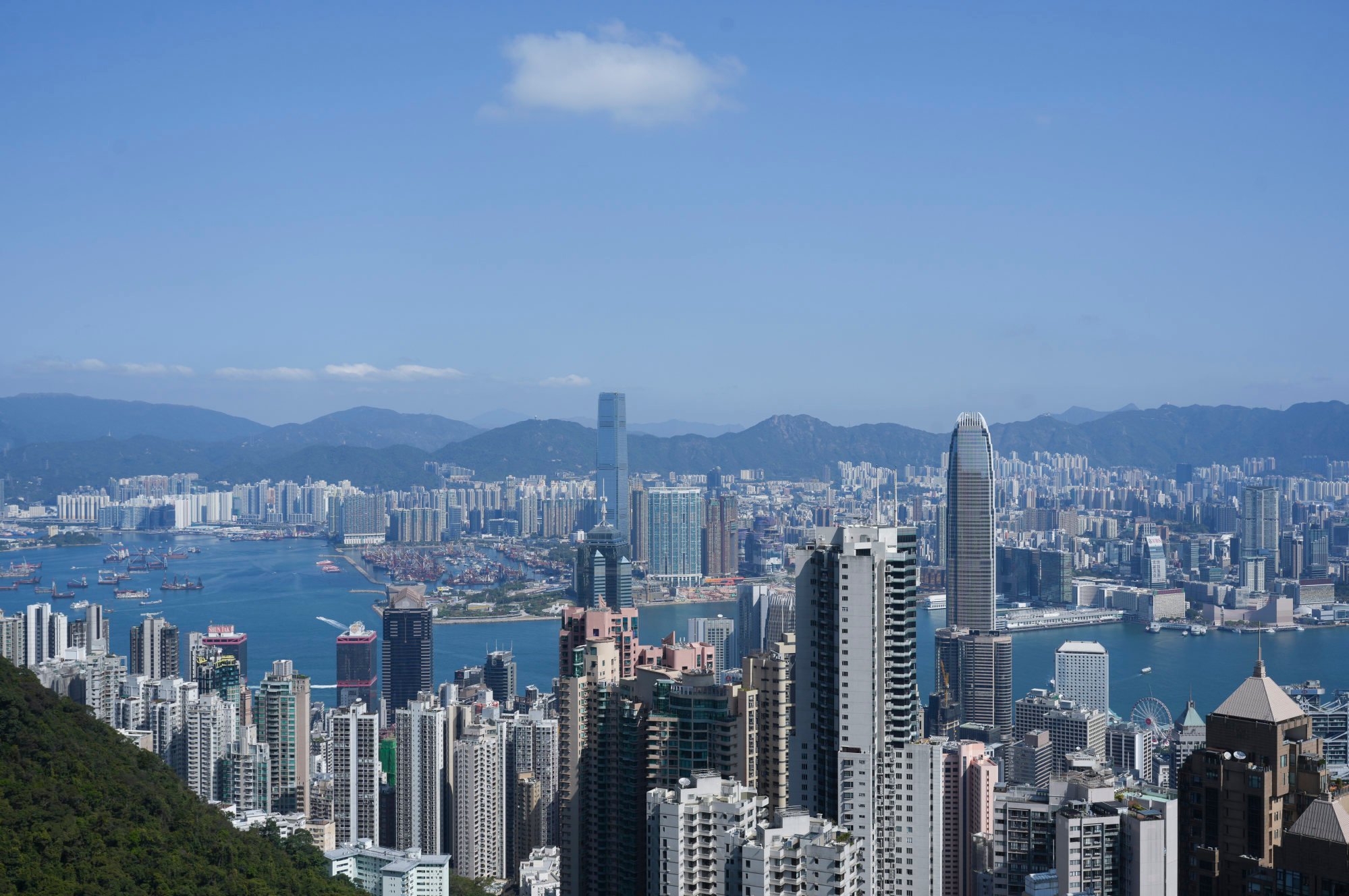
The law emphasized the main aspects of Hong Kong’s second tourism development plan launched in December. This involved leveraging various supportive initiatives from the central government, including policies like the multi-visit visa program and the independent travel scheme.
She additionally highlighted the importance of the tourism sector moving away from depending solely on previously successful strategies and concentrating instead on creating fresh events and draws.
She urged the sector to pinpoint and address rising tourist needs, venture into fresh concepts and activities, and utilize technological advancements to upgrade visitors' encounters.
"She emphasized that everyone is a tourism ambassador," underlining the significance of having a warm and optimistic demeanor among all citizens.
More Articles from SCMP
How classic Western works are now being used as weapons against the West
Bernie Sanders' wife who supported him for 37 years is Jane O'Meara Sanders. They met in 1981 when they both attended a mayoral debate in Vermont, and she holds a PhD in policy studies.
Is it possible that Sino-European tensions could be subsiding due to an increase in French and EU diplomatic efforts?
Hong Kong Sevens 2025: Australian and New Zealand Women Excel, Chinese Team Faces Challenges
The article initially appeared on the South ChinaMorning Post (www.scmp.com), which is the premier source for news coverage of China and Asia.
Copyright © 2025. South China Morning Post Publishers Ltd. All rights reserved.