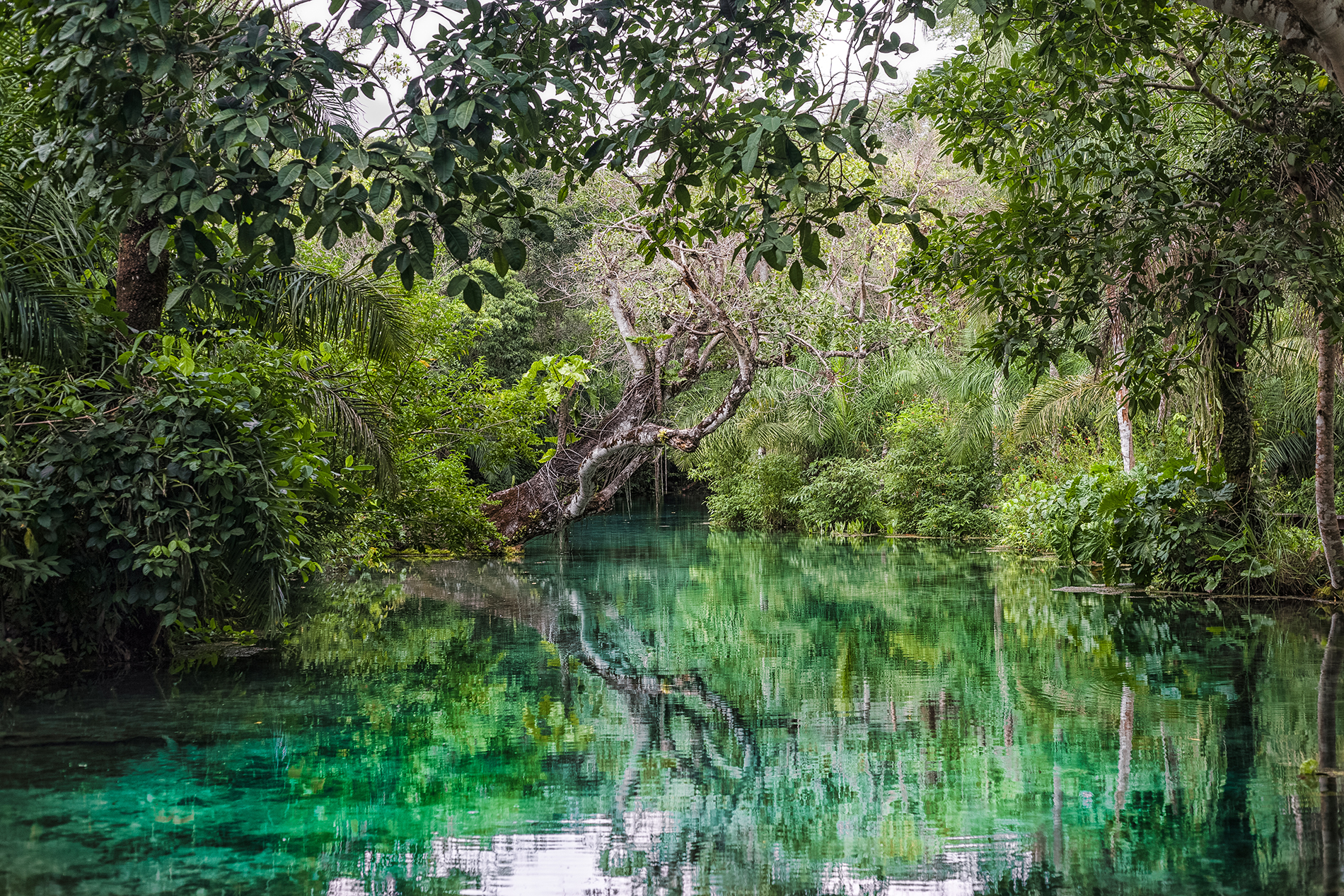
Discover the Planet's Vastest Wetland: A Natural Wonder in Brazil

In southwestern Brazil, the vast expanse of the Pantanal spans across your vision, encompassing waterlogged expanses, dense woodlands, and remarkable fauna. Join us on an exploration of this immense marshland, which stands as the largest wetland globally.
Yellowish soil, dense flora, and expansive swamps stretch endlessly into the horizon… Situated deep within the heart of South America, approximately 1,600 kilometers away from Brazil’s shoreline, lies the Pantanal—one of Earth's most significant havens for wildlife diversity. Designated as a UNESCO World Heritage Site in 2000, this area represents the biggest freshwater wetlands globally, nourished by numerous rivers coursing through it. whole of Brazil over almost 210,000 km 2 of flood plains.
The Northern Pantanal, a sanctuary brimming with biodiversity near the Transpantaneira River.
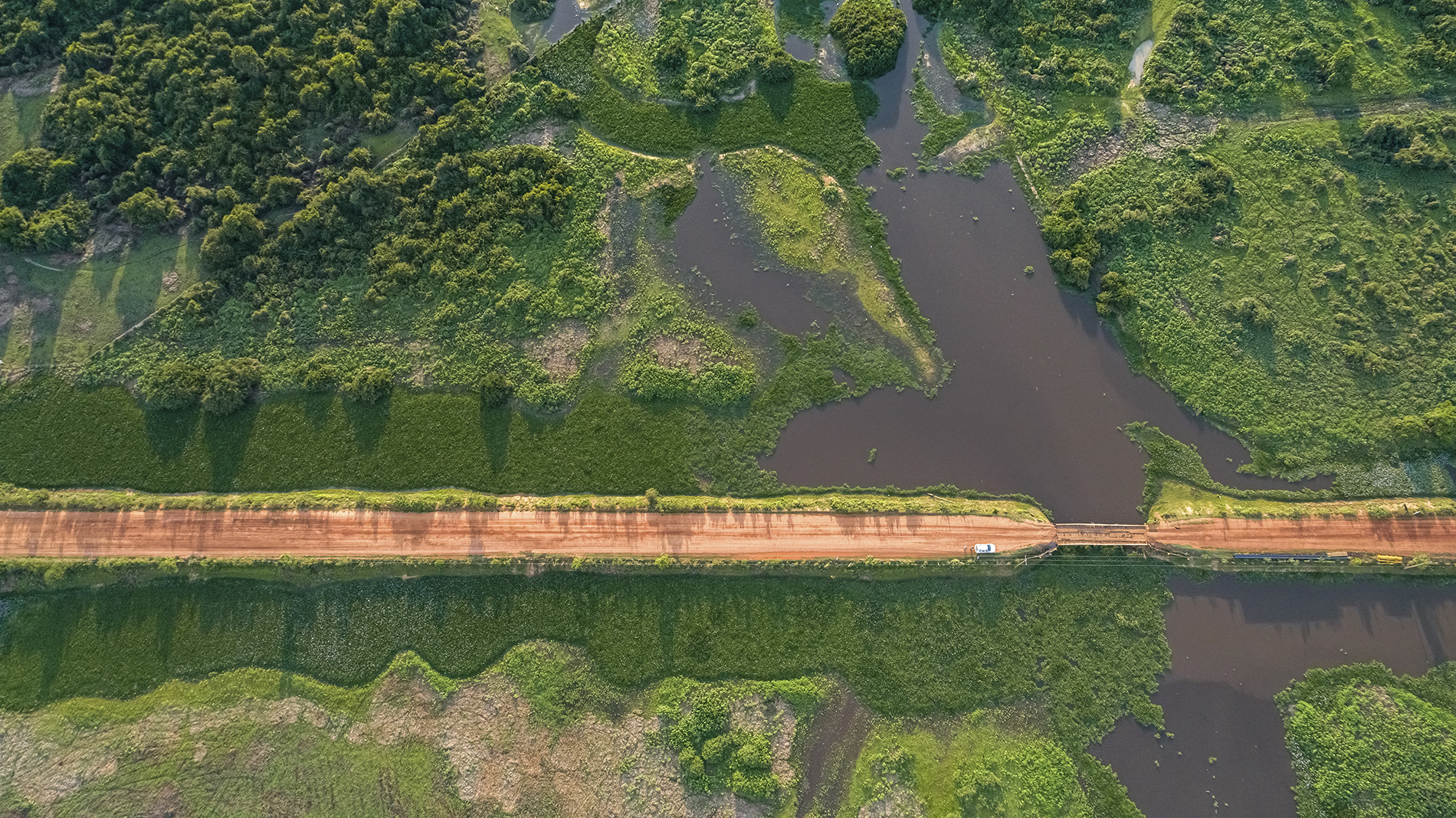
The northern part of the Pantanal, which has largely remained isolated, can now be explored by following the Transpantaneira, a road that runs from Poconé in the state of Mato Grosso 150 km into the vastness of the Pantanal Matogrossense National Park. This dirt road, dotted with wooden bridges, is peppered with natural observatories, making it one of the best places in Brazil for observing wild animals up close.
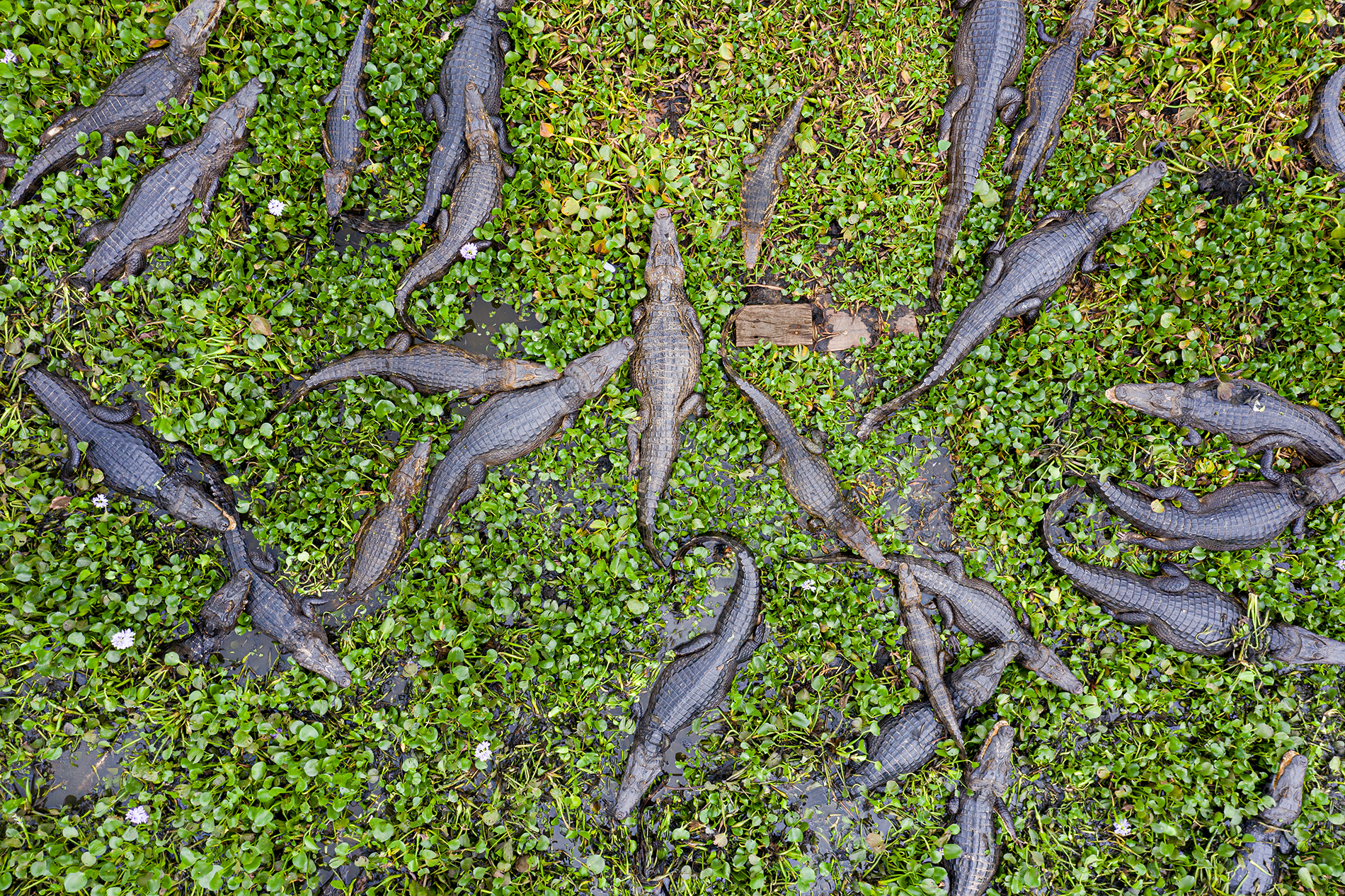
Jaguars, otters, caimans, toucans, macaws—the Pantanal teems with an astounding variety of life within its aquatic and verdant realms. Each curve of the Transpantaneira road brings new wonders: a lazy caiman basking on the shore, a troupe of capybaras darting across high grasslands, a duo of scarlet ibises probing the marshes for sustenance. While these emblematic creatures dominate the region’s fauna, the Pantanal also showcases a dynamic mosaic of landscapes—ranging from swamps to inundated prairies, thick woodlands to expansive meadows. However, one unchanging truth remains evident throughout: water reigns supreme here and is omnipresent, sculpting this distinctive terrain as time progresses and seasons shift.
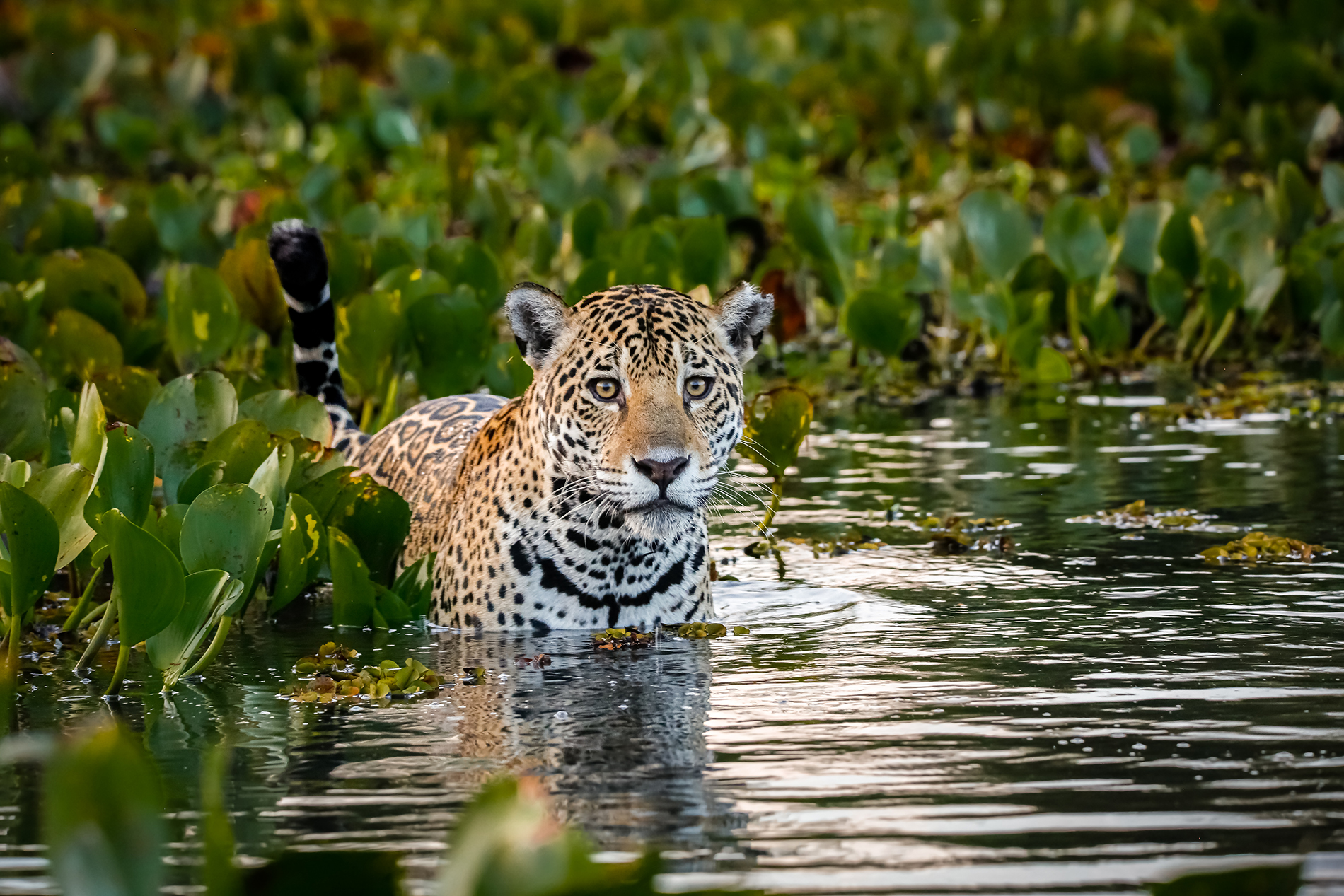
Throughout the rainy season, spanning from November to March, the Pantanal transforms into an extensive body of water, resembling an inland ocean with trees standing tall as isolated islands. In contrast, during the dry season, occurring between May and October, the waters withdraw significantly: this period reveals the distinctive character of the region. ideal moment for an African adventure To observe the wildlife, you might notice them congregating near the watering holes. During this season, jaguars become more visible as they lounge on the shorelines. Meanwhile, various bird species—including vibrant macaws and large great white herons—come together here to eat and breed.
Throughout the length of the Transpantanal Highway, numerous points of interest can be found. fazendas - The area's extensive farm properties, known for their historical focus on cattle raising - offering a place to relax and unwind. These fazendas Additionally, they arrange outings to explore the native flora and fauna on foot, by horseback, or via boat along the Rio Cuiabá, Rio São Lourenço, or Rio Paraguay—the principal waterways of the Pantanal.
The Southern Pantanal and Bonito, amazing landscapes to discover from Campo Grande
About 700 kilometers distant lies Campo Grande, the capital city of Mato Grosso do Sul state, which serves as your gateway to the remarkable Southern Pantanal region. Starting from this urban center with a population over one million, you can easily make your way towards the untamed wilderness of the Pantanal within just a few hours’ time, traversing through expansive grasslands and wetland areas. Similar to what occurs in the North, excursions departing from Campo Grande predominantly occur via specific arrangements provided by local operators. fazendas , providing boat or horseback tours along with lodging options, allowing you to closely observe caimans, toucans, and marsh deer.
Campo Grande serves as the entry point to the astounding Bonito region, which is one of Brazil's natural gems With its pristine rivers, concealed caverns, dramatic limestone formations, and stunning waterfalls, this area boasts remarkable beauty. Nourished by the Paraguay River, these waters brim with colorful aquatic life—over 1,000 kilometers away from the sea, you can swim at extraordinary locations like Rio da Prata, known for its unparalleled clarity beneath the surface. Additionally, hiking enthusiasts can explore magnificent natural wonders including the Anhuma abyss—a vast flooded sinkhole where rappelling is possible—or visit the renowned Blue Lake Cave featuring an underground lake of vivid azure hues. This enchanting destination enhances every journey through South Pantanal beautifully.